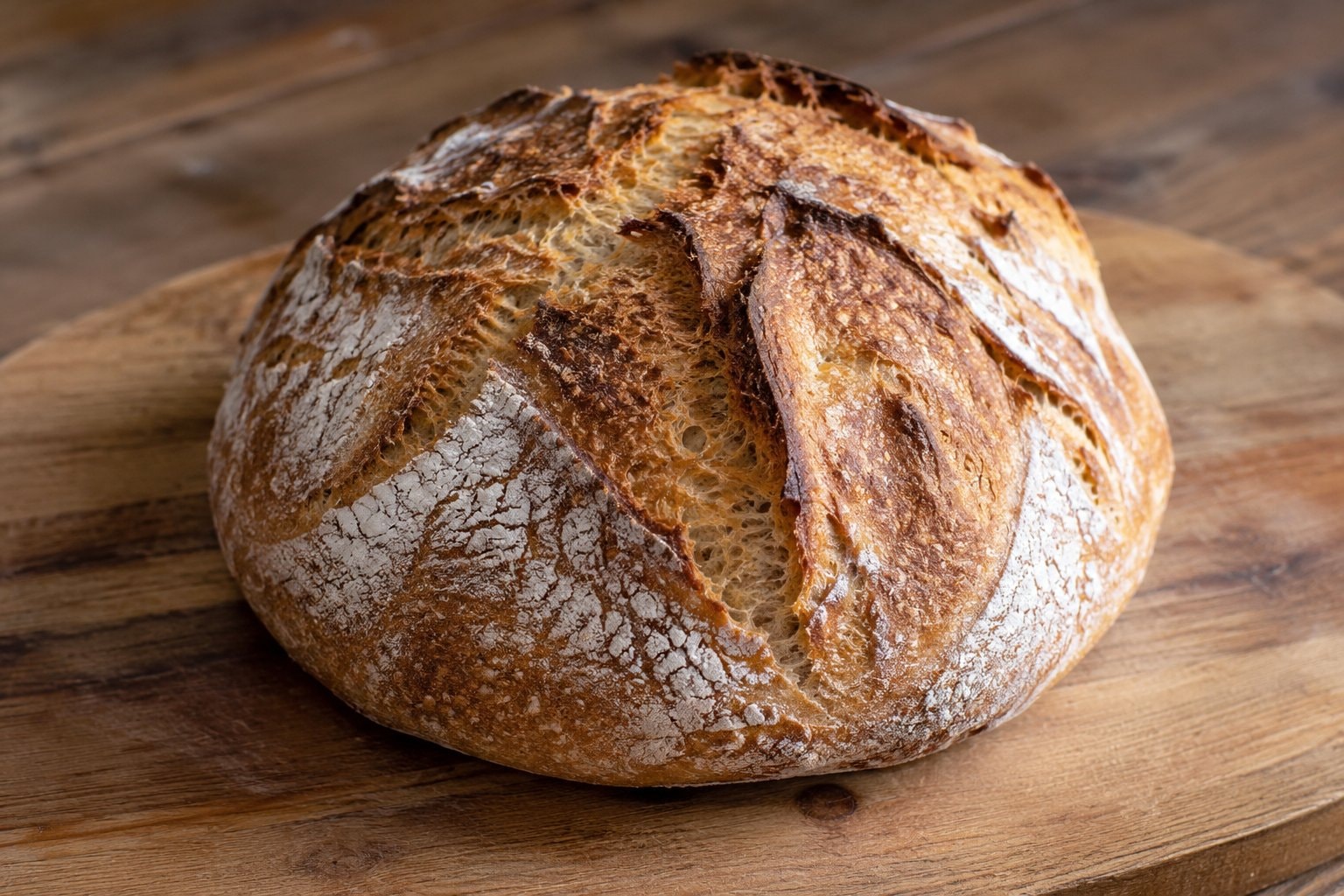
Sourdough bread begins with a living culture. Its starter contains yeast and lactic acid bacteria in a mixture of flour and water. Gas from fermentation helps raise the dough, while acids contribute the sour flavor. Those processes are connected, but raising and souring are not the same job. Understanding the difference gives a plain loaf a natural history of its own.
A starter is a community
Wikipedia's sourdough account describes the starter as a live mixture containing wild yeast and lactobacilli. Starters vary in consistency, from a liquid batter to a stiff dough, depending on the amount of water relative to flour. The term sourdough can mean this culture or the bread made with it, so the context matters when reading about either.
The account describes a culture kept active by additions of fresh flour and water, with part retained for future baking. That continuity allows a starter to be used repeatedly. It is still a microbial community, rather than a permanent collection of identical cells. Flour, water and the environment introduce organisms, and the conditions in the mixture influence which ones persist.
Wikipedia's microbiology section describes lactic acid bacteria and yeast contributing different fermentation products. Yeast produces carbon dioxide gas that leavens the dough. Bacteria produce acids that contribute flavor. Both groups participate in a changing mixture of available sugars. The bubbles and sour smell are visible or noticeable consequences of processes too small to watch directly.
Why the bacteria are called lactic
Wikipedia's lactic acid bacteria account describes organisms that produce lactic acid as a major product of carbohydrate fermentation. Members of the group can be rod-shaped or rounded, and tolerate acidic conditions. The name refers to what they do, rather than saying that sourdough has to contain milk. Flour and water can support a fermentation involving these bacteria.
The account explains that tolerance of acidity helps them compete with other bacteria as organic acids accumulate. Sourdough's environment therefore changes while its organisms work. It is not just flour holding a population of microbes; the microbes alter the conditions in which that population lives. This is an ecological relationship on a kitchen scale.
A long name in a loaf
Wikipedia's account of Fructilactobacillus sanfranciscensis describes a lactic acid bacterium important in sourdough. It produces lactic and acetic acids that help give the bread its taste. The species is named for San Francisco, but the account describes its wider occurrence in sourdough cultures. A geographic name does not confine an organism to that place.
The article discusses this bacterium alongside sourdough yeasts, including Kazachstania humilis. In the relationship it describes, the bacterium uses maltose while the associated yeast uses other sugars, including glucose produced by the bacterium. The organisms can thus occupy different parts of the same food supply. That is a more precise picture than imagining every microbe in the jar competing for exactly the same thing.
The sourdough article lists other bacterial groups and yeast species found in starters. It also discusses how fermentation conditions contribute to the microbiology and flavor. A named bacterium is an example within that larger community, not a declaration that every starter has the same members. The scientific names are useful when a source discusses a particular organism, while the ordinary words yeast and bacteria are enough for the general process.
A familiar fermentation with a long history
Wikipedia describes sourdough as an ancient method of leavening bread, widely used before other leavening methods became common. Its history includes the use of barm from brewing and later cultured baker's yeast. Sourdough did not originate with its association with a particular American city. Its long history is broader than any familiar regional name.
The same account describes bakers bringing sourdough techniques to Northern California during the California Gold Rush. That cultural association and the bacterium's name are related parts of the discussion, but neither replaces the wider history of fermentation. A loaf can be understood through microbes, methods and local custom without assigning it a single romantic origin story.
The regional fruit at the edge of the kitchen
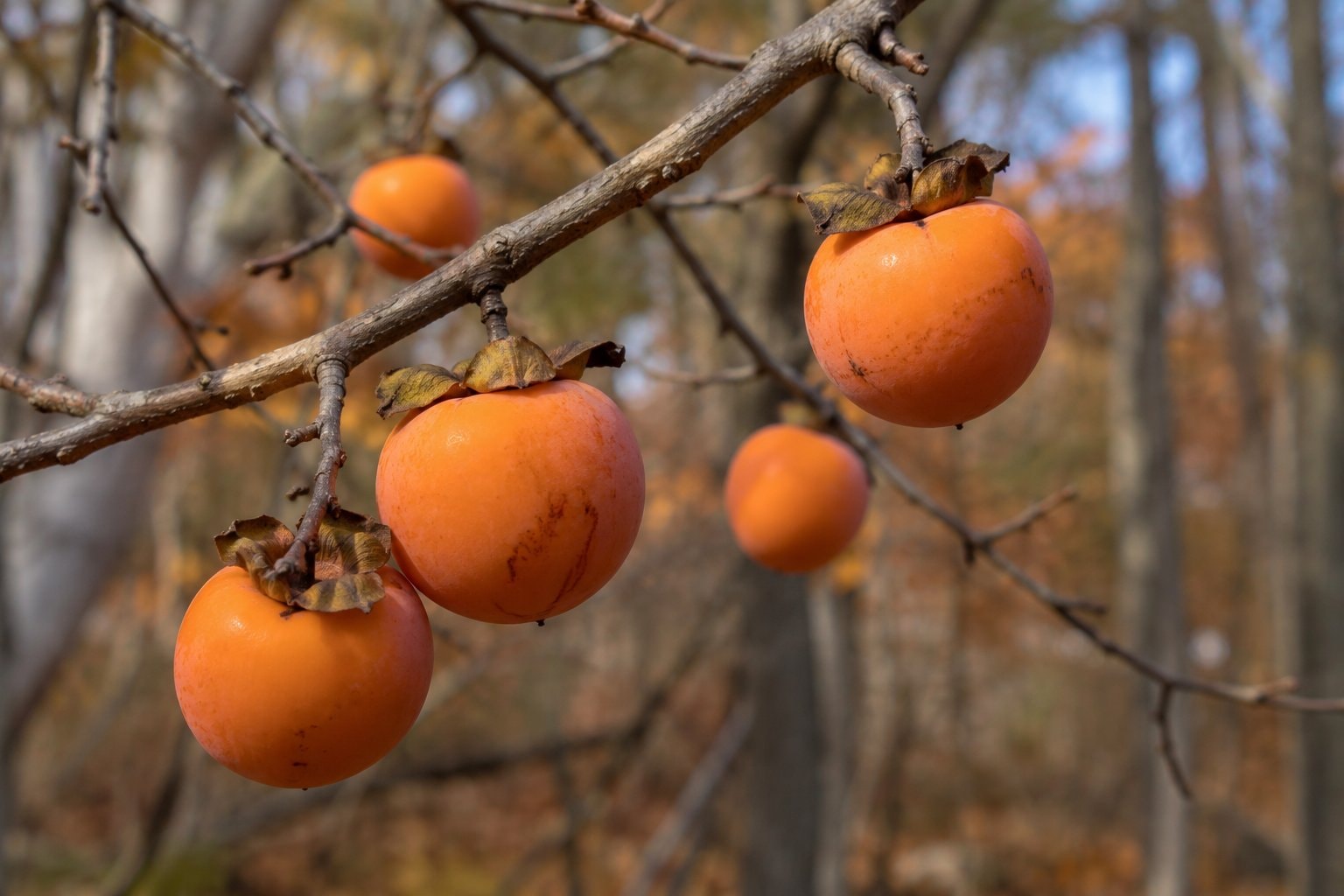
Wikipedia's American persimmon account describes Diospyros virginiana, a tree native across much of the eastern and central United States. The fruit appears in Southern and Midwestern cooking, including puddings and other desserts. The account distinguishes ripe fruit from its astringent earlier state.
Persimmon seeds also belong to weather lore, where their traditional winter interpretations remain folklore. The natural events calendar connects seasonal foods with the wider woods and waters. For another crop used beyond the table, read gourds and purple martins. The kitchen and the outdoors share materials; their stories still need their own evidence.