A natural-events calendar is a set of things to notice, not an appointment book for wildlife. The USA National Phenology Network describes phenology as the timing and recurring patterns of life, shaped by cues including temperature, day length and rain. Wikipedia’s phenology reference includes leafing, flowering, migration and egg laying among the observations that belong to the field. An observation becomes useful when its place, conditions and actual appearance are kept together.
The month cards use seasonal timing stated by the named references. Some concern neighboring Missouri, some describe wider ranges, and some concern the sky. They offer regional context rather than exact first-appearance dates for a southern Illinois hollow. The Illinois State Climatologist’s discussion describes a changing Illinois climate and the continuing uncertainty around some severe-weather trends. Weather and habitat remain part of reading a biological season.
January
- The Missouri Department of Conservation notes that wild turkeys flock in winter in its turkey field guide. The flocking belongs to the bird’s seasonal behavior; a winter observation can record the group and its setting without assuming that every visit will reveal one.
- The sky calendar includes the Quadrantids, listed for early January in Wikipedia’s meteor-shower reference. Their timing gives the month another natural rhythm. A listed shower is a subject to understand, not a guarantee of a bright display.
February
- The woolly bear overwinters as a caterpillar, according to Wikipedia’s Isabella tiger moth account. Its actual winter life is the useful seasonal subject. The traditional claim that its bands predict the weather is considered separately.
- The Missouri Department of Conservation’s turkey account describes winter reliance on grains, seeds and hard mast such as acorns. That diet gives another way to read turkey activity, beyond simply noticing that birds are gathered together.
March
- Morel fruiting bodies emerge in late March and through April in the Missouri Department of Conservation’s morel guide. This is a stated neighboring-region season, not permission to eat a mushroom or a promise of fruiting in a particular patch.
- The spring equinox belongs to March in the Northern Hemisphere, as Wikipedia’s equinox account explains. The sky page distinguishes that astronomical marker from local weather and the timing of biological events.
April
- The neighboring-region MDC morel guide places morels in the spring, including April. Their fruiting structure is only part of a life spent mostly below ground. The mushroom feature keeps that biology beside essential identification and food-safety cautions.
- Timber rattlesnakes are mainly active from April through mid-October in the MDC field guide, which also describes spring basking. These are animals to give room, never to approach or handle in an effort to complete a seasonal checklist.
May
- Wikipedia’s American-persimmon account places flowering in May and June, while the leaves are developing. The regional persimmon note follows the tree as a natural-history and kitchen subject, distinct from the seed’s weather-lore story.
- The Eta Aquariids are listed for early May in Wikipedia’s meteor-shower reference. That sky subject connects with the explanation of showers, which distinguishes atmospheric streaks from the debris while it remains in space.
June
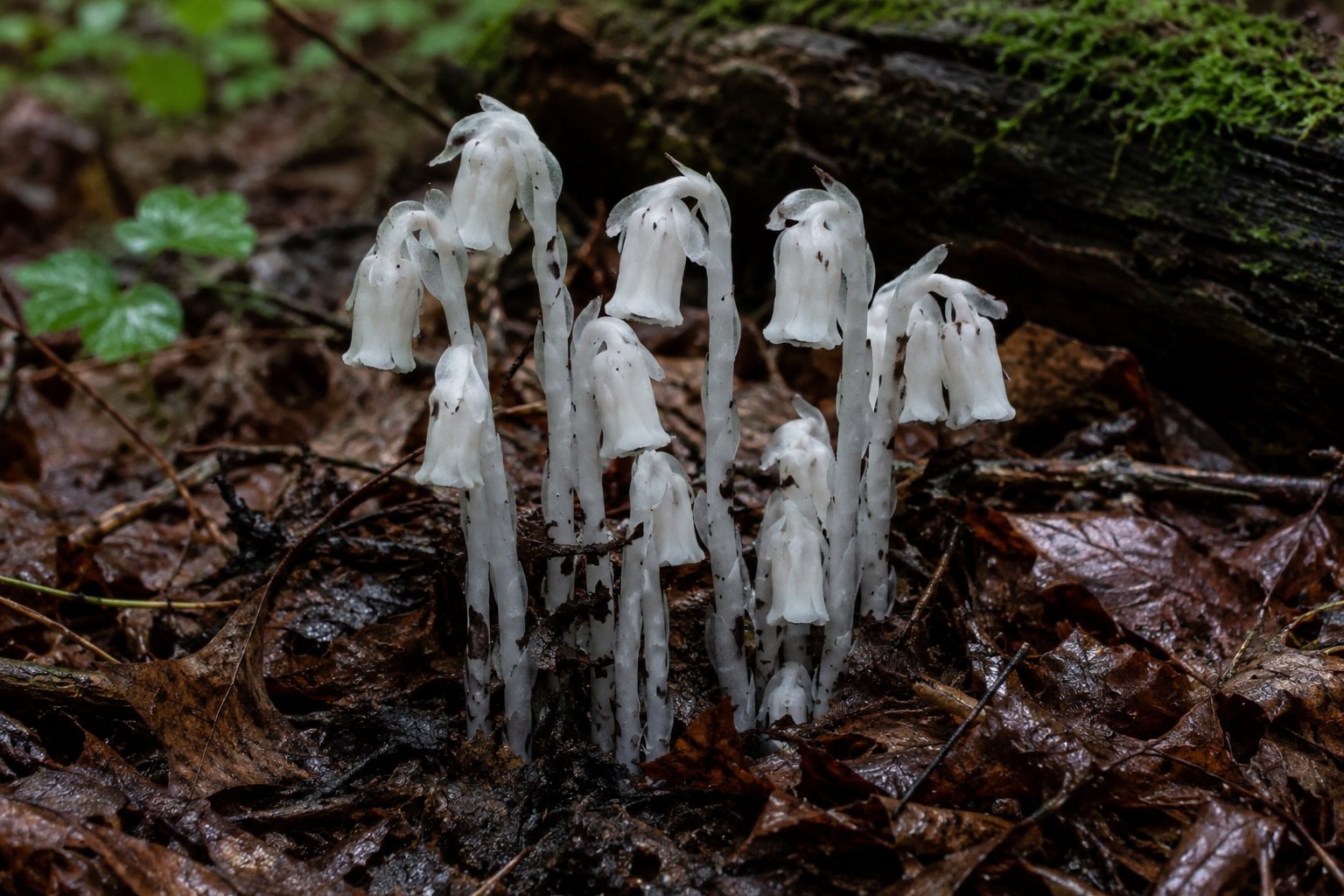
- The U.S. Forest Service’s ghost-pipe account places flowering roughly from June through September. Ghost flowers explains why a pale plant on the woodland floor should not be mistaken for a mushroom simply because it lacks green coloring.
- The common snapping turtle’s peak laying season is June and July in Wikipedia’s species account. Reptile eggs and hatchlings considers nests as things to leave undisturbed, rather than material for home incubation.
- The June solstice marks the long-day end of the Northern Hemisphere’s solar season in Wikipedia’s solstice reference. The sky page explains that turning point without assigning sunrise or sunset times to a particular place.
July
- Wikipedia’s snapping-turtle reference includes July in the peak egg-laying season. The turtle feature gives more of the animal’s life history. A turtle moving over land need not be interpreted as an animal that requires handling.
- Southern Delta Aquariids are listed for late July by Wikipedia’s meteor-shower account. Follow the subject into the sky through the year. A broad seasonal label helps identify the recurring event while leaving its visibility as a separate question.
August
- The Forest Service’s ghost-pipe account includes August within its flowering period. The woodland-plant feature considers the connection between the pale plant, fungi and tree roots, a relationship that is not obvious from color alone.
- The Perseids are listed for mid-August in Wikipedia’s shower reference. They connect the month with the meteor explanation, which supplies a physical account without promising a particular number of streaks.
September
- Common dittany blooms in late summer and fall in Wikipedia’s plant account. The frost-flower feature follows the same plant into another seasonal appearance, while keeping the purple blossoms and the later ice ribbons distinct.
- The Northern Hemisphere’s fall equinox belongs to September in Wikipedia’s equinox reference. The sky page explains why roughly balanced daylight is an astronomical description rather than an instruction that autumn weather must arrive immediately.
October
- The MDC ghost-pipe guide gives a flowering period of August through October, differing from the broader Forest Service window. The pale-plant feature provides the subject to recognize; the differing windows show why place and reference matter.
- The MDC timber-rattlesnake guide includes activity into mid-October and basking in autumn. The snake feature keeps the seasonal account beside the distance and emergency-care cautions needed when reading about venomous wildlife.
November
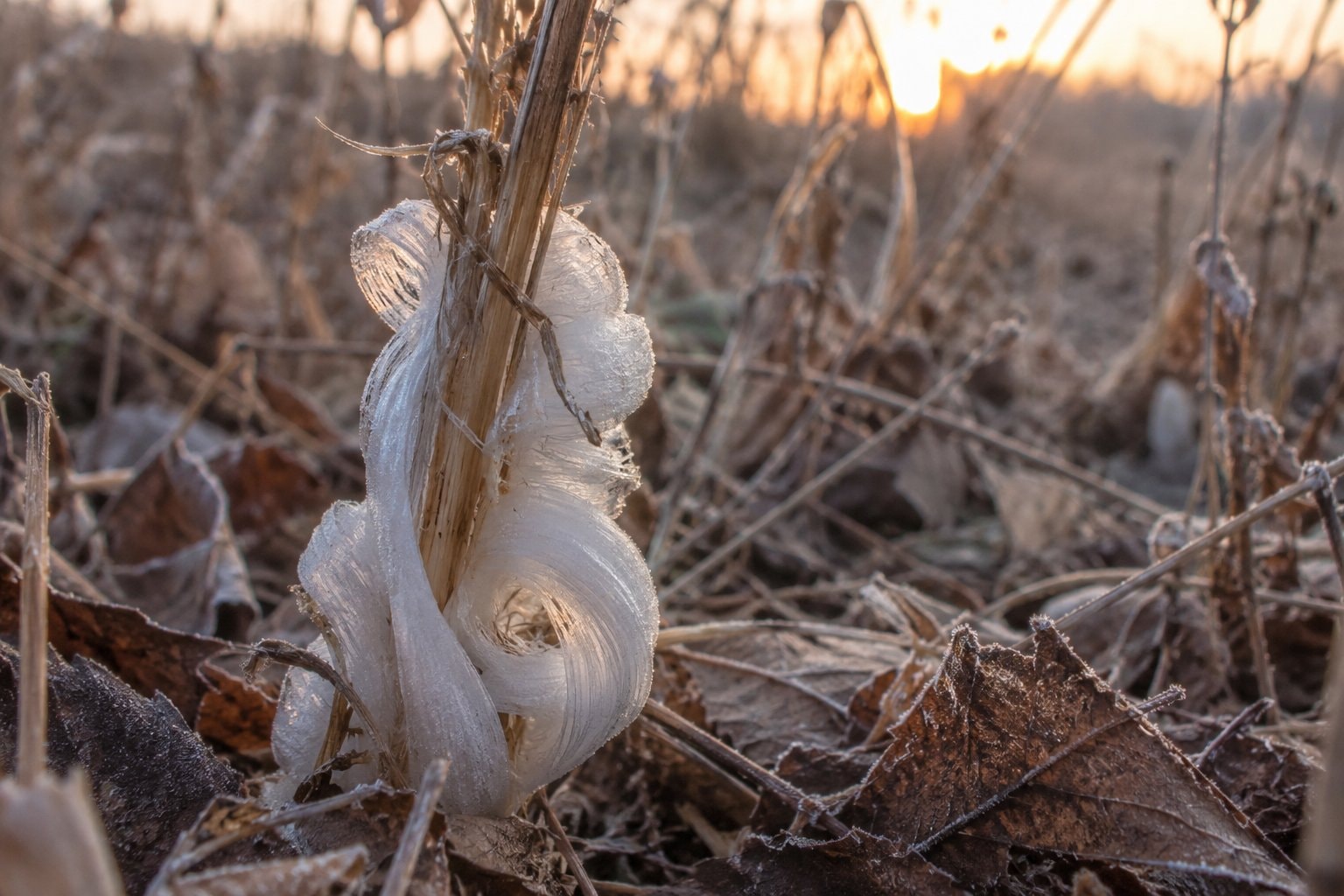
- Frost ribbons on plant stems belong to autumn or early winter in Wikipedia’s frost-flower reference. The seasonal opportunity depends on suitable freezing conditions, not simply on turning a calendar page.
- The Leonids are listed for mid-November in Wikipedia’s meteor-shower reference. The sky guide connects that name with the reason meteors in a shower seem to share a point of origin.
December
- Wild turkeys return the reading to winter flocking as described by the Missouri Department of Conservation. Their winter diet and group behavior give this quiet-looking season its own biological questions.
- The Geminids in mid-December and Ursids in late December are listed by Wikipedia’s meteor-shower reference. Both belong with the sky through the year, rather than with a forecast of how impressive a particular night will be.
The most useful addition to a seasonal reading is a careful observation from a familiar place. Note what was seen, the conditions and what remains uncertain. There is no need to force an unidentified plant into a calendar entry. Walking the hills considers the terrain and outdoor health context, while Features by subject opens the longer reading behind the cards.